A Week on the Lower Boise: Notes from the Water
I started Monday, scouting the riverbank a little later than usual. It was the 2nd. Most mornings I’m out the door before the first light crests the foothills, but that day I took the dogs to the park first. I forgot something at home—an almost ritual occurrence when my mind is already moving faster than my body. Sometimes I wonder if that scattered feeling is a flaw, or if it’s the doorway to noticing things other people miss.
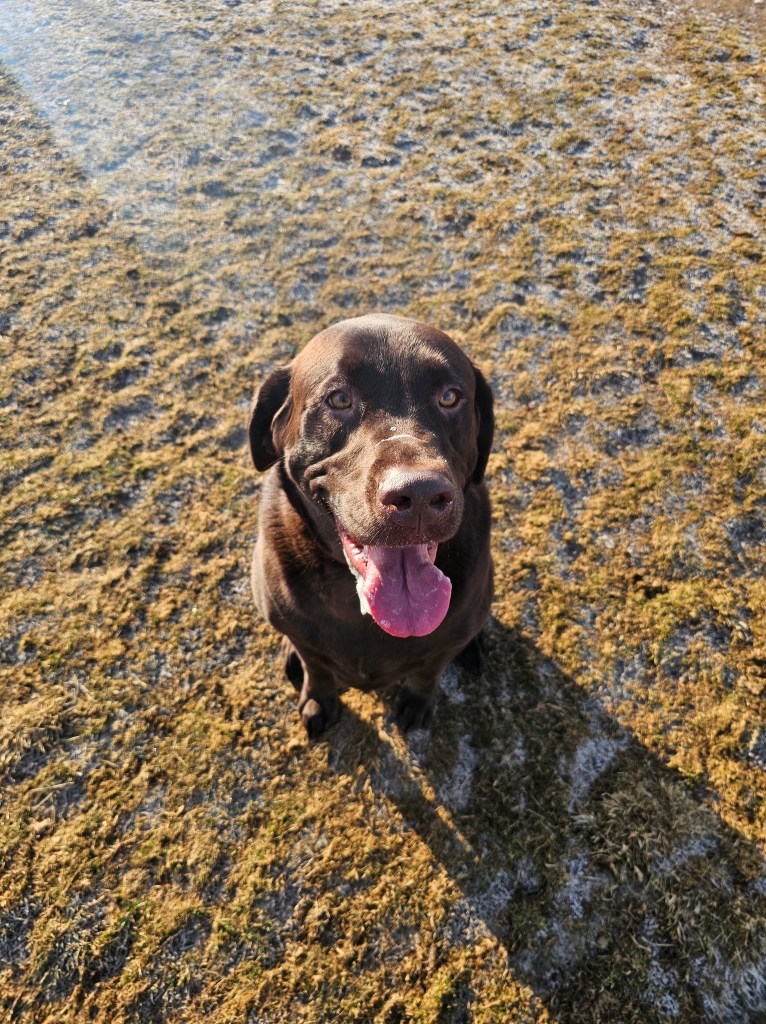
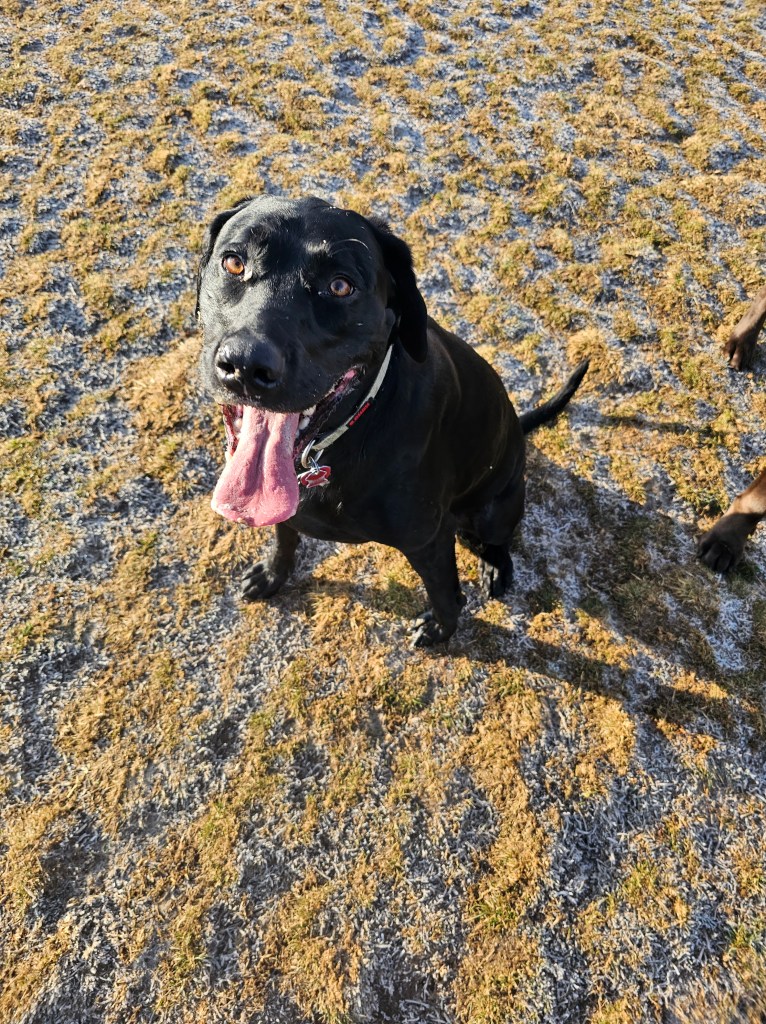
Watching the dogs play, it struck me how little they complicate life. Food. Water. Movement. Exploration. Then back to the den. In the wild, that loop is survival. In modern life, it sounds a lot like fishing.
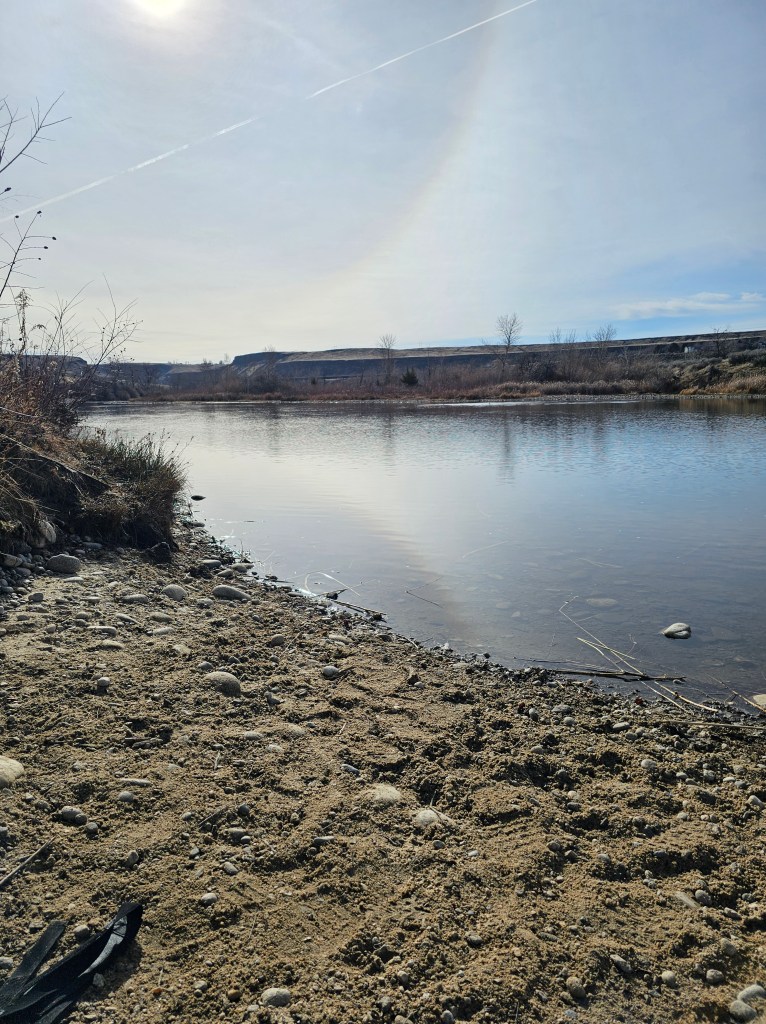
When I finally reached the river, I asked a man if he knew how to get to the other side. He didn’t—he was visiting from out of state. Even in early February, the Boise River pulls people in. Idaho has become a quiet mecca for fly anglers, whether they know the water or not.
Cold Water, Clear Truths
The data matched the season. Fish were hugging the bottom, their metabolism slowed by winter temperatures. Trout live in lies—areas of cover that provide shelter from sun, current, and predators. Rocks, logs, root balls, depth transitions. Cover is where fish exist; open water is where they pass through. In winter, that usable water shrinks dramatically.
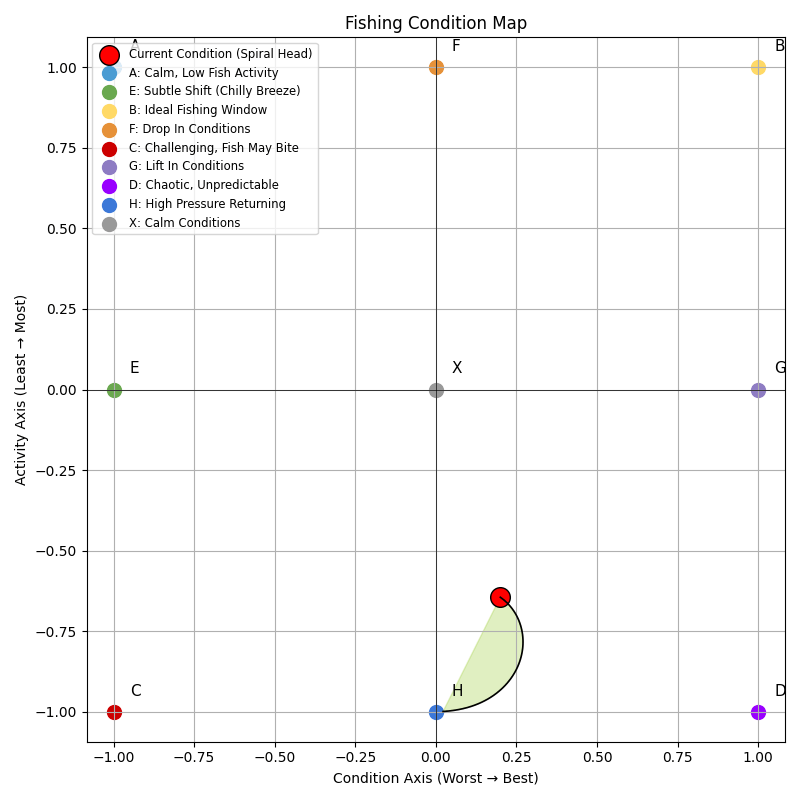
In the Boise River, the Brown trout are the archetype of this strategy: resourceful, elusive, efficient. World-record fish reach sizes we don’t see here, but the behavior scales down. The Boise doesn’t hold monsters of that caliber, and never will—these systems aren’t built for it—but the instincts are the same.
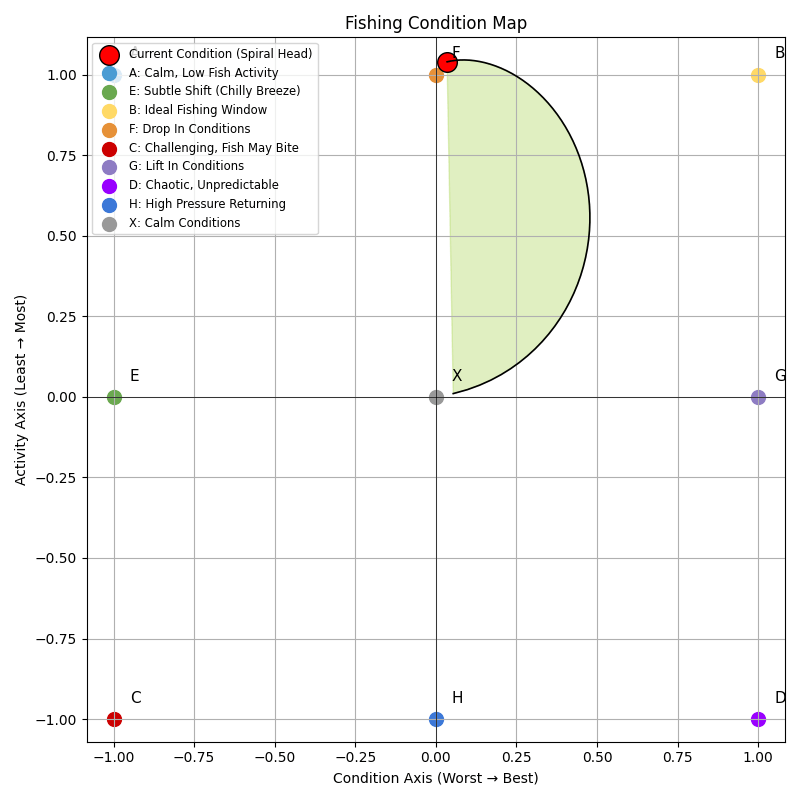
Everwild, Cobblestone, and Naming Things Correctly
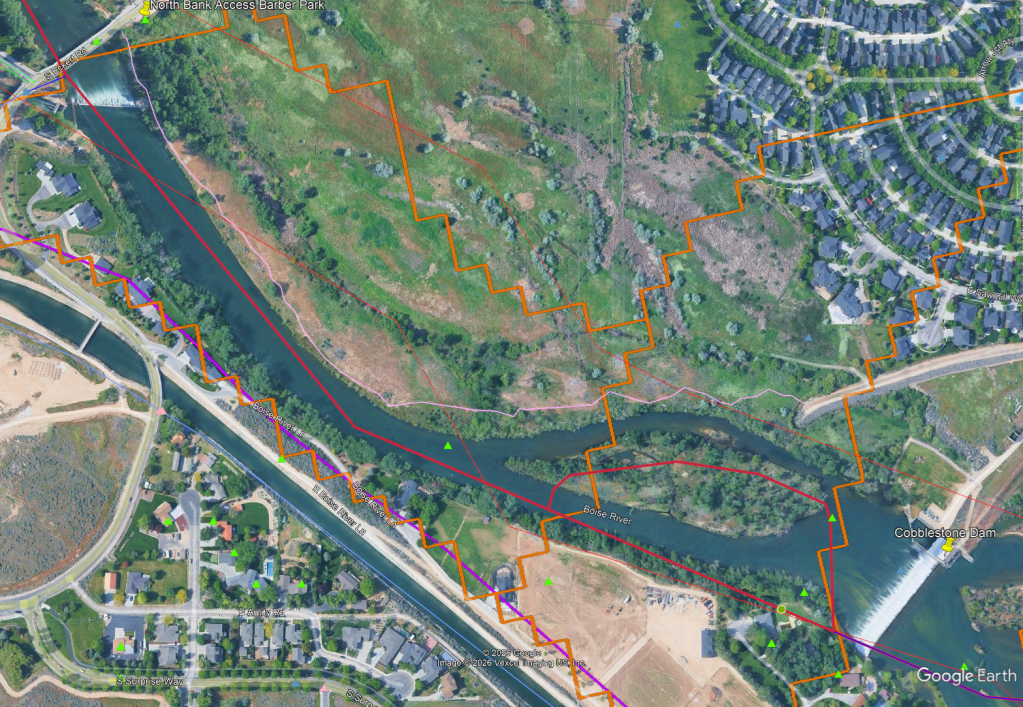
The following day, February 3rd, I parked near Everwild, just upstream of the dam most locals call Cobblestone. I had been calling it Sawmill Way Dam—same syllables, wrong name. Naming things correctly matters. It’s how you begin to actually understand a place. Once a full map is created in the mind, you can start making decisions like where to look, where to cast, and where to stand. Fishing is very much like hunting, only the prey are angled for.
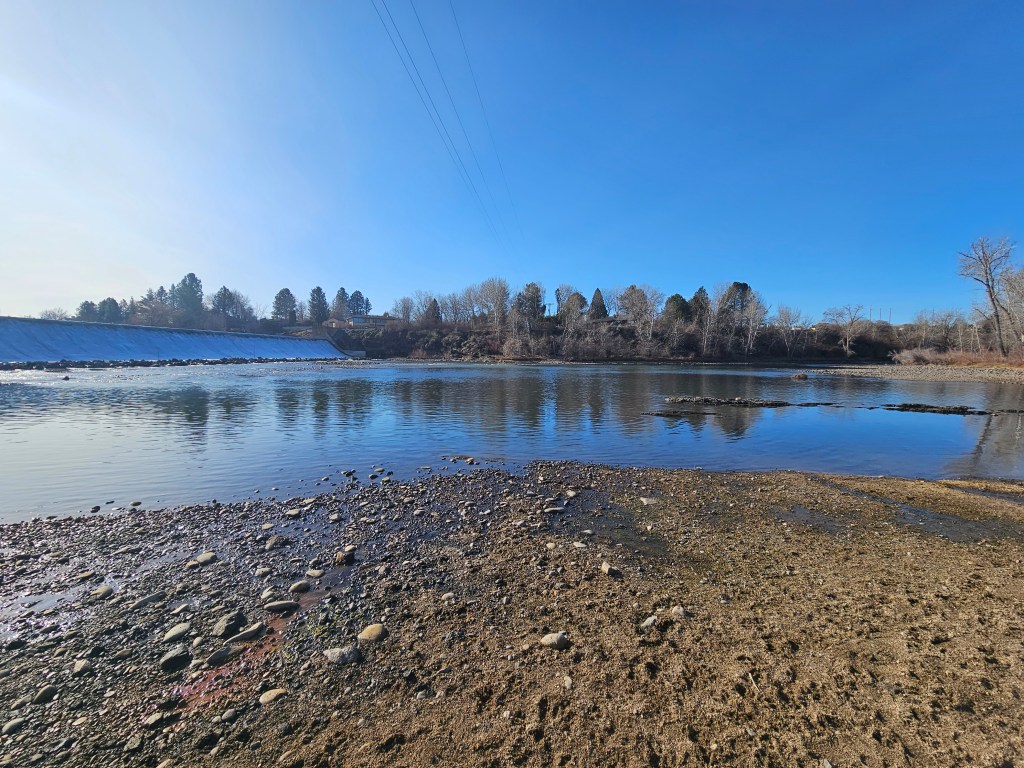
On the second day visiting above Barber Dam, I asked another angler about water temperature. He hadn’t had any luck, but his estimate was close. My reading came in at 37.5°F. USGS station 13206000 showed 3.36 feet by late morning—low, stable, winter water.
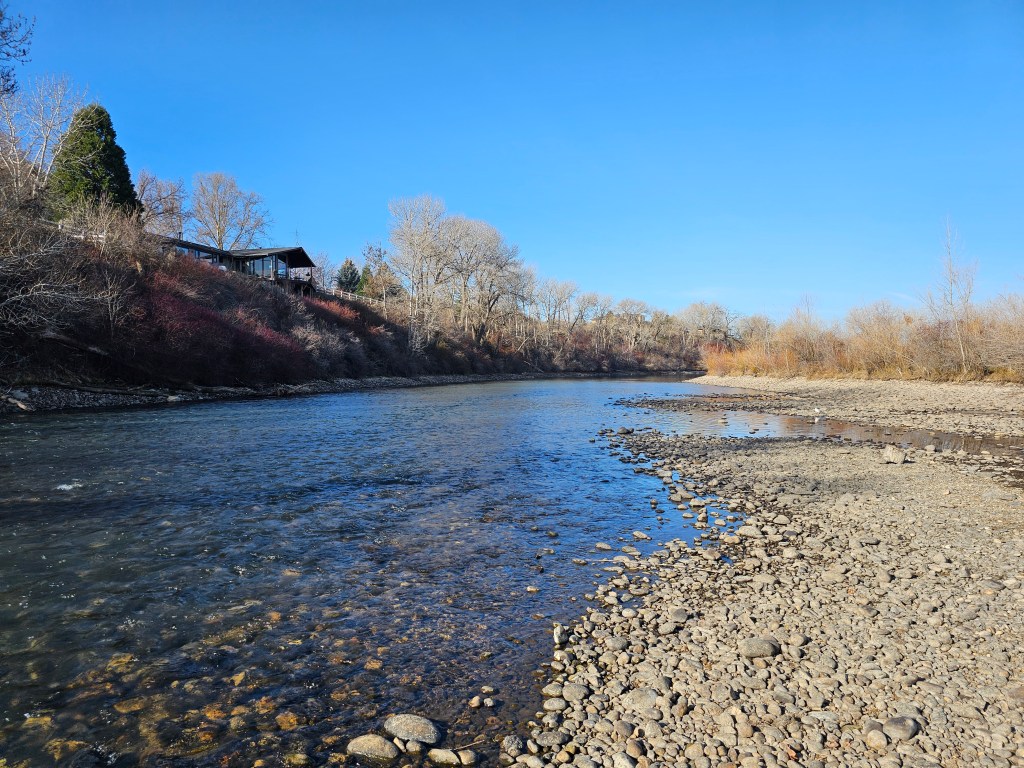
The air was colder than the forecast suggested. Shade by the river strips warmth quickly, and standing still while observing makes you feel it more. Winter fishing isn’t about movement—it’s about patience layered over precision. The winter only rewards the accurate angler.
Timing the Day Instead of Fighting It
By February 4th, I started thinking less about spots and more about timing. Arrival matters. Setup matters. In winter, there’s no reason to rush the dark.
My working arrival chart looks like this:
- Winter: 9:00 a.m.
- Spring/Fall: 7:00 a.m.
- Summer: 5:00 a.m.
Fish don’t care about clocks, but they do care about light and temperature. Insects hatch first in the valleys, then work upstream as the season advances. My plan this year is simple: follow the hatches upriver, documenting the transition instead of guessing at it.
Before heading into the mountains, I needed February data from the lower system. You can’t understand movement without a baseline.
Plans, Friction, and Reality
By Friday, plans were in place: mountains, bug checks, photos, temperatures. Then reality intervened. I missed my evening tea—German chamomile, specifically—and the excitation carried over into the next day. Small disruptions compound faster in winter.
I posted a short video about fixing a Deeper fish finder. https://youtu.be/M4b4MbaHBmM. Views didn’t matter. Process did. I just hope the video helps someone. Eventually I want to document these trips properly—educational, slow, honest—but that takes equipment, time, and repetition. Practice.
Plans shifted again. Weather. Instead of the mountains, I stayed near Barber and Cobblestone. Winter fishing teaches flexibility whether you want the lesson or not.
Data Meets Water
The conditions were clear:
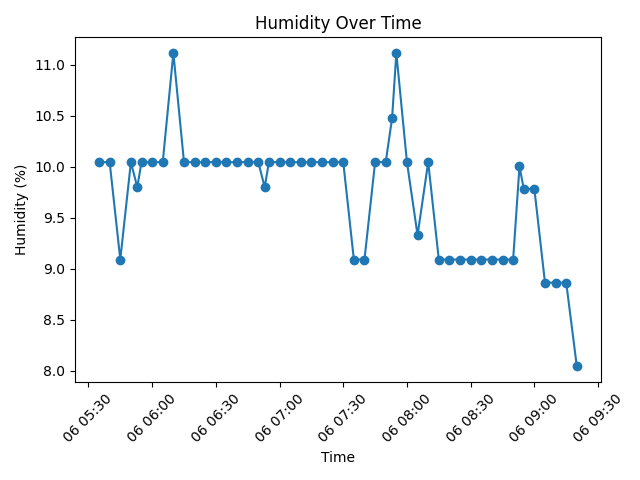
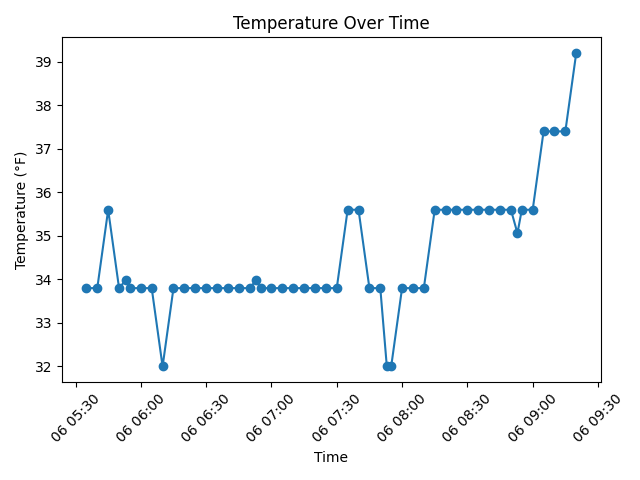
- Air temperature: ~39°F
- Water temperature: 37.5°F
- Flow: ~537 cfs (compared to nearly 6,000 cfs in peak runoff)
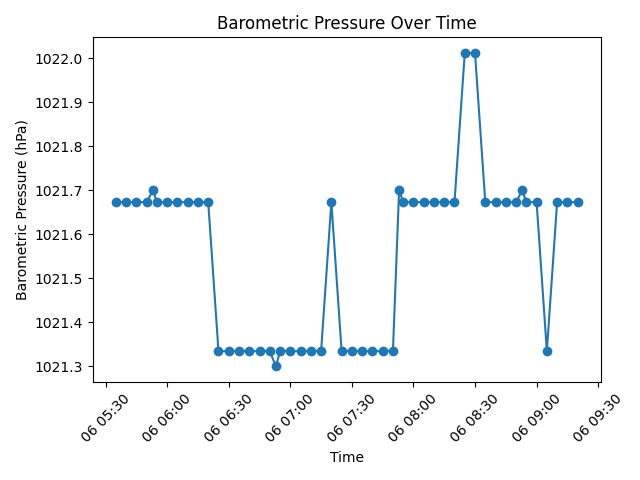
Everything pointed the same direction: deep, slow, bottom-oriented fishing.
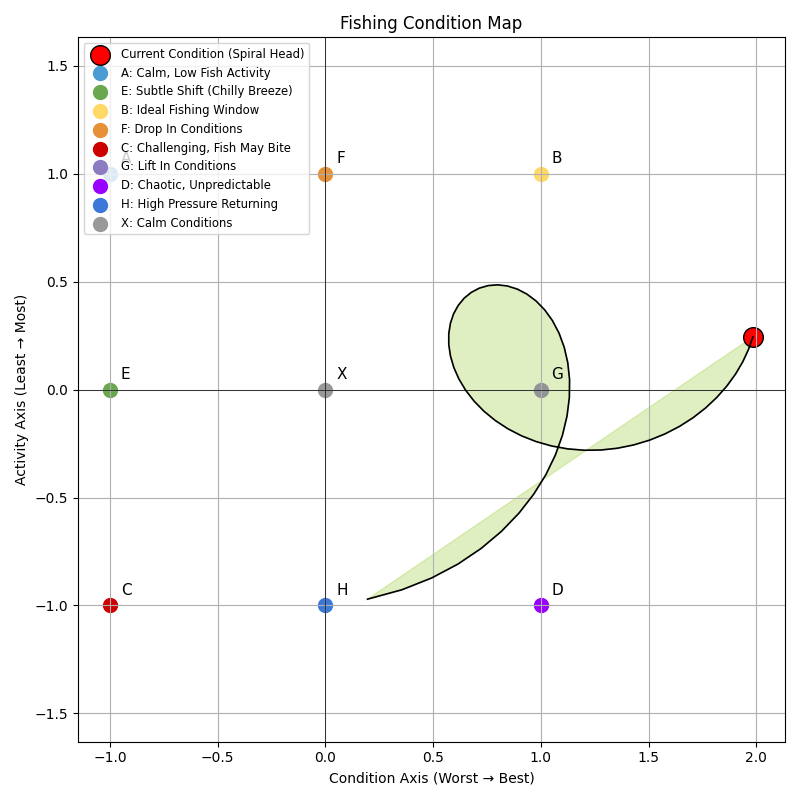
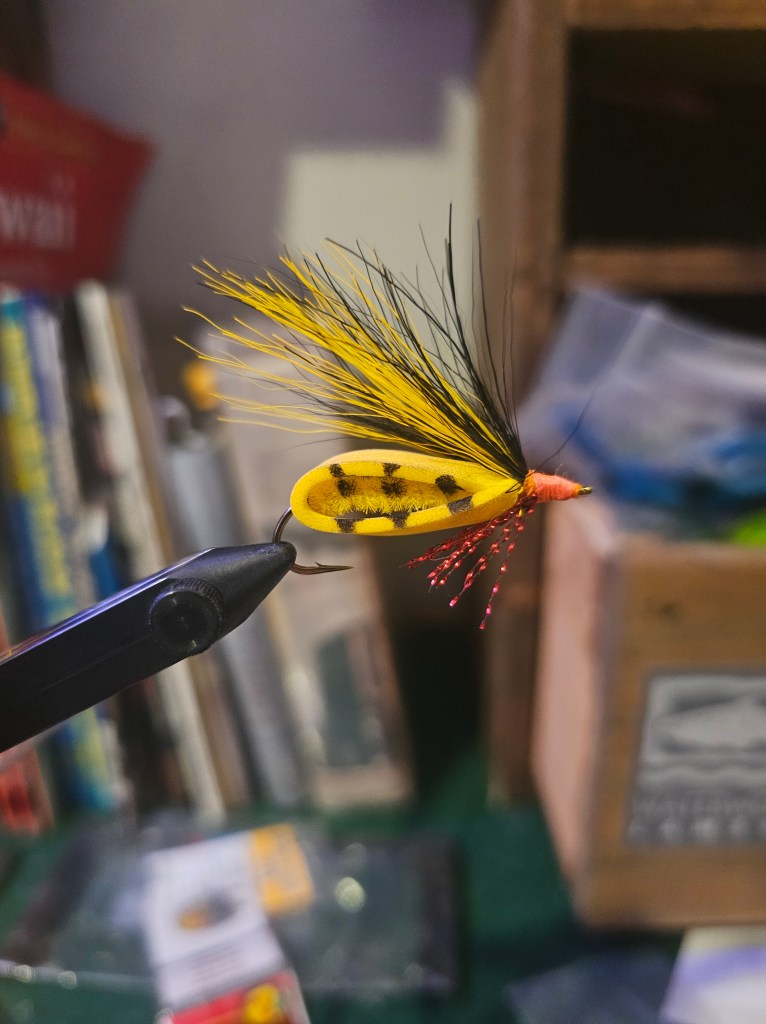
I tied a new pattern—something between a Deceiver and a floating baitfish—with a foam body designed to fight the pull of a sinking line. I called it the Perch Me Later. Or maybe The Percolator? Names come later. I rigged accordingly. 8wt. Sink tip. Short leader. The formula I used is 7.5ft = 70%, 30lbs / 30%, 20lbs / 10%, 15lbs. After tying this I measured the tippet. I was at 14.25in, illegal in IGFA. The minimum is 15in. I have to retie the leader set, or extend it by another segment.
My formula diameter_middle = sqrt(diameter_butt * diameter_tippet) can be swapped for the tippet diameter_tippet = (diameter_middle²) / diameter_butt. This is done by inverting the square root to the left hand side of the equal sign, then swap the middle for the tippet and invert the butt. If you wanted the butt, and since the middle is a constant, you could then simply swap the butt and tippet: diameter_butt = (diameter_middle²) / diameter_tippet.
The Hardest Part Isn’t Casting
Task initiation has always been the hardest part for me. As a kid, I’d set up my toys and freeze, overwhelmed by the number of possible stories. As an adult, that same pattern shows up before a fishing trip: the endless evaluation of spots, timing, temperature, angle of sun.
Fishing helps because it collapses those choices. Success isn’t one factor—it’s the overlap of many imperfect ones. There is almost never a wrong time to be on the water, unless you’re risking your life. Everything else is data.
I forgot my waders, and when I say that I really mean it, not the “oh I totally spaced it.” No, the, “I thought about it and decided not to,” kind of forgot. Left with the choice to fish from the bank or return and get one of my sets of waders, I scanned the water. There was another man up river, so I decided to stay. It was either push into another fisherman’s spot or potentially lose mine. So, I stayed and fished the bank. I didn’t force it. I cast. I tested the fly. I watched how it moved. I got hungry. I packed up. I left.
No fish. No failure. I can always go back.
What the Week Taught Me
This week wasn’t about catching. It was about aligning effort with conditions, observation with patience, and planning with reality. Winter strips fishing down to its essentials. It exposes impatience quickly and rewards restraint quietly.
There will be better days. Warmer water. More bugs. More movement. But February has its own lessons, and they’re worth recording.
Sometimes the work is just showing up, paying attention, and leaving with better questions than answers.
What do I do next time?
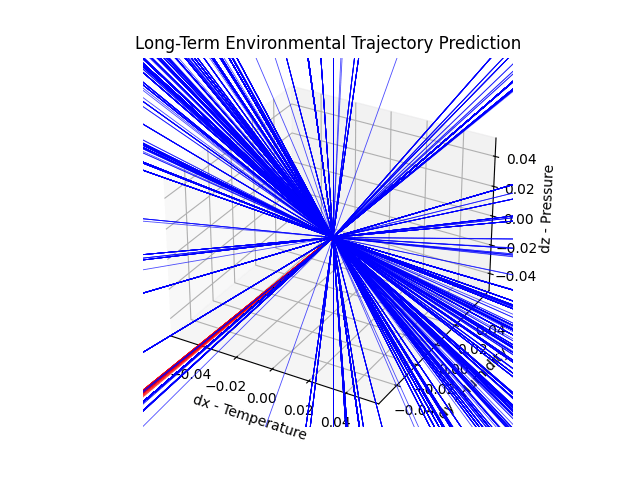
Software found here: https://payhip.com/madanglerworks. Watch for updates in the newsletter!
 Mad Angler Hub
Leave a comment